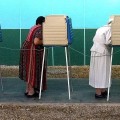
Voting rights in Denver, CO continue to influence public policy and legal discussions because they shape how residents participate in decisions that affect daily life, community priorities, and government accountability. When people have fair access to the ballot, they are better able to express their views on issues such as housing, transportation, public safety, education, infrastructure, taxation, labor protections, and local services. Voting is not only a political act; it is also a civic tool that helps determine which policies receive attention and which communities have a stronger voice in public decision-making. In a growing city like Denver, where neighborhoods may face different challenges, voting access can influence whether policy conversations reflect a broad range of experiences or only the concerns of the most visible groups.
Connecting Elections to Public Policy
Public policy is deeply connected to voter participation. Local elections can affect city leadership, ballot measures, funding priorities, development rules, tenant protections, business regulations, public programs, and enforcement practices. When more residents participate, policymakers may be more likely to consider community needs in a balanced way. When participation is limited, certain concerns may be overlooked. This is why voting rights discussions often include topics such as registration access, ballot language, polling options, voter education, accessibility for people with disabilities, and protections against unfair barriers. These issues matter because the ability to vote can determine who helps shape the future of local government.
Legal Discussions Around Access and Fairness
Voting rights also remain an important legal topic because access to elections must be protected, consistent, and fair. Legal discussions may involve whether election procedures are clear, whether voters understand their rights, whether communities have equal access to information, and whether policies create unintended barriers. Law firms and legal professionals can help clients understand how election-related rules may affect civic engagement, business planning, advocacy, nonprofit work, or community outreach. While voting rights law is different from injury-related legal work, firms such as Jordan Law Accident & Injury Lawyers reflect the broader importance of understanding rights, responsibilities, and legal protections when public systems affect individuals and communities.
Building Trust in Public Institutions
Strong voting rights also support public trust. Residents are more likely to trust government decisions when they believe the election process is accessible and meaningful. If people feel excluded or confused by voting procedures, trust in public institutions can weaken. Denver’s public policy discussions depend on residents believing that their participation matters and that their voices can influence outcomes. This trust helps strengthen communication between communities, elected officials, advocacy groups, businesses, and legal professionals.
Continuing the Conversation
Ultimately, voting rights in Denver, CO continue to influence public policy and legal discussions because they affect who participates, what issues receive attention, and how communities hold leaders accountable. Protecting voting access is not only about election day; it is about ensuring that residents can continue shaping the policies that impact their homes, workplaces, neighborhoods, and futures. As Denver continues to grow and change, voting rights will remain a key part of legal awareness, civic responsibility, and public decision-making.